
23
2023
-
07
The Role of Dross Recovery Machines in Sustainable Semiconductor Manufacturing
Author:
Table of Contents 1. Introduction: The Importance of Sustainable Semiconductor Manufacturing 2. Understanding Dross in Semiconductor Manufacturing 3. What are Dross Recovery Machines? 4. How Do Dross Recovery Machines Work? 5. Benefits of Dross Recovery Machines 5.1 Waste Reduction and Cost Savings 5.2 Improved Production Efficiency 5.3 Environmental Conservation 6. Applications of Dross
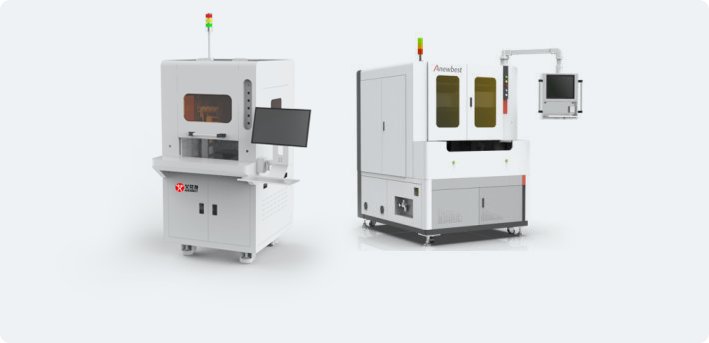
Table of Contents
1. Introduction: The Importance of Sustainable Semiconductor Manufacturing
2. Understanding Dross in Semiconductor Manufacturing
3. What are Dross Recovery Machines?
4. How Do Dross Recovery Machines Work?
5. Benefits of Dross Recovery Machines
5.1 Waste Reduction and Cost Savings
5.2 Improved Production Efficiency
5.3 Environmental Conservation
6. Applications of Dross Recovery Machines in Semiconductor Manufacturing
7. FAQs about Dross Recovery Machines
7.1 What is the purpose of dross recovery in semiconductor manufacturing?
7.2 How does dross affect semiconductor manufacturing processes?
7.3 Can dross recovery machines be customized for specific requirements?
7.4 Are dross recovery machines easy to operate?
7.5 How long does it take to recover dross from semiconductor manufacturing?
8. Conclusion: Embracing Sustainable Practices in Semiconductor Manufacturing
1. Introduction: The Importance of Sustainable Semiconductor Manufacturing
In today's world, where environmental conservation is a global priority, industries are striving to adopt sustainable practices. The semiconductor manufacturing sector, which plays a pivotal role in technological advancements, is no exception. Sustainable semiconductor manufacturing involves minimizing waste, optimizing resource usage, and reducing the environmental impact of production processes.
2. Understanding Dross in Semiconductor Manufacturing
Dross refers to the residue or waste material that accumulates during various stages of semiconductor manufacturing. It is a byproduct of the soldering process, where excess solder and impurities form a layer on the surface of the molten solder bath. If left unaddressed, dross can lead to quality issues, production delays, and increased costs.
3. What are Dross Recovery Machines?
Dross recovery machines are specialized equipment designed to extract valuable solder from dross, thereby minimizing waste and maximizing resource utilization in semiconductor manufacturing. These machines use advanced technologies to separate the solder from impurities and reclaim it for reuse in the production process. By recovering solder from dross, manufacturers can significantly reduce material costs and minimize their environmental footprint.
4. How Do Dross Recovery Machines Work?
Dross recovery machines employ a combination of mechanical and thermal processes to separate solder from dross effectively. The process typically involves the following steps:
4.1. Dross Collection: The dross, which consists of molten solder and impurities, is collected from the solder bath or wave soldering machine.
4.2. Mechanical Separation: The collected dross is mechanically agitated to break it down into smaller particles, allowing for easier separation of the solder.
4.3. Thermal Separation: The dross is then heated to a specific temperature, causing the solder to melt while impurities remain solid. This allows the separation of the valuable solder from the waste material.
4.4. Solder Recovery: The molten solder is carefully extracted from the dross, while any remaining impurities are removed through filtration or other purification methods.
4.5. Reuse or Recycling: The recovered solder can be reused in the semiconductor manufacturing process, ensuring optimal resource utilization. Any remaining waste material can be recycled or disposed of responsibly.
5. Benefits of Dross Recovery Machines
5.1 Waste Reduction and Cost Savings
Dross recovery machines significantly reduce the amount of waste generated in semiconductor manufacturing. By reclaiming valuable solder from dross, manufacturers can minimize material consumption and lower production costs. This not only leads to immediate cost savings but also contributes to a more sustainable and resource-efficient production process.
5.2 Improved Production Efficiency
Dross accumulation can disrupt the smooth operation of soldering machines and lead to production delays. By implementing dross recovery machines, manufacturers can prevent downtime caused by dross-related issues. This results in improved production efficiency, higher throughput, and better overall equipment effectiveness.
5.3 Environmental Conservation
Sustainable semiconductor manufacturing aims to minimize the industry's environmental impact. Dross recovery machines play a vital role in this endeavor by reducing waste generation and promoting responsible resource management. By reusing recovered solder and minimizing material consumption, manufacturers contribute to the conservation of valuable resources and reduce their carbon footprint.
6. Applications of Dross Recovery Machines in Semiconductor Manufacturing
Dross recovery machines find applications across various stages of semiconductor manufacturing, including:
6.1 Wave Soldering: Dross recovery machines efficiently recover solder from wave soldering systems, ensuring maximum utilization and minimal wastage.
6.2 Reflow Soldering: In the reflow soldering process, dross recovery machines help extract solder from dross, allowing for its reuse and minimizing material consumption.
6.3 Selective Soldering: Dross recovery machines can be integrated into selective soldering systems to recover solder and maintain quality standards during the soldering process.
6.4 SMT Assembly: Surface Mount Technology (SMT) assembly processes generate dross, which can be effectively recovered using dross recovery machines, ensuring optimal solder utilization.
7. FAQs about Dross Recovery Machines
7.1 What is the purpose of dross recovery in semiconductor manufacturing?
The purpose of dross recovery is to extract valuable solder from dross, minimizing waste, and maximizing resource utilization in semiconductor manufacturing.
7.2 How does dross affect semiconductor manufacturing processes?
Dross accumulation can lead to quality issues, production delays, and increased costs in semiconductor manufacturing. It can disrupt the operation of soldering machines and reduce the efficiency of the production process.
7.3 Can dross recovery machines be customized for specific requirements?
Yes, dross recovery machines can be customized to meet specific requirements and integrate seamlessly with existing manufacturing processes.
7.4 Are dross recovery machines easy to operate?
Dross recovery machines are designed to be user-friendly, with intuitive controls and automated processes. Manufacturers can receive training and support to ensure smooth operation.
7.5 How long does it take to recover dross from semiconductor manufacturing?
The time required to recover dross depends on various factors such as the quantity of dross, machine capacity, and the specific recovery process employed. Generally, dross recovery machines offer efficient and rapid recovery capabilities.
8. Conclusion: Embracing Sustainable Practices in Semiconductor Manufacturing
Dross recovery machines play a pivotal role in sustainable semiconductor manufacturing, facilitating waste reduction, cost savings, and improved production efficiency. By embracing these machines, manufacturers can optimize their resource utilization, minimize their environmental impact, and contribute to a greener future. Investing in dross recovery machines is not only financially beneficial but also aligns with global efforts towards environmental conservation.
1. Introduction: The Importance of Sustainable Semiconductor Manufacturing
2. Understanding Dross in Semiconductor Manufacturing
3. What are Dross Recovery Machines?
4. How Do Dross Recovery Machines Work?
5. Benefits of Dross Recovery Machines
5.1 Waste Reduction and Cost Savings
5.2 Improved Production Efficiency
5.3 Environmental Conservation
6. Applications of Dross Recovery Machines in Semiconductor Manufacturing
7. FAQs about Dross Recovery Machines
7.1 What is the purpose of dross recovery in semiconductor manufacturing?
7.2 How does dross affect semiconductor manufacturing processes?
7.3 Can dross recovery machines be customized for specific requirements?
7.4 Are dross recovery machines easy to operate?
7.5 How long does it take to recover dross from semiconductor manufacturing?
8. Conclusion: Embracing Sustainable Practices in Semiconductor Manufacturing
1. Introduction: The Importance of Sustainable Semiconductor Manufacturing
In today's world, where environmental conservation is a global priority, industries are striving to adopt sustainable practices. The semiconductor manufacturing sector, which plays a pivotal role in technological advancements, is no exception. Sustainable semiconductor manufacturing involves minimizing waste, optimizing resource usage, and reducing the environmental impact of production processes.
2. Understanding Dross in Semiconductor Manufacturing
Dross refers to the residue or waste material that accumulates during various stages of semiconductor manufacturing. It is a byproduct of the soldering process, where excess solder and impurities form a layer on the surface of the molten solder bath. If left unaddressed, dross can lead to quality issues, production delays, and increased costs.
3. What are Dross Recovery Machines?
Dross recovery machines are specialized equipment designed to extract valuable solder from dross, thereby minimizing waste and maximizing resource utilization in semiconductor manufacturing. These machines use advanced technologies to separate the solder from impurities and reclaim it for reuse in the production process. By recovering solder from dross, manufacturers can significantly reduce material costs and minimize their environmental footprint.
4. How Do Dross Recovery Machines Work?
Dross recovery machines employ a combination of mechanical and thermal processes to separate solder from dross effectively. The process typically involves the following steps:
4.1. Dross Collection: The dross, which consists of molten solder and impurities, is collected from the solder bath or wave soldering machine.
4.2. Mechanical Separation: The collected dross is mechanically agitated to break it down into smaller particles, allowing for easier separation of the solder.
4.3. Thermal Separation: The dross is then heated to a specific temperature, causing the solder to melt while impurities remain solid. This allows the separation of the valuable solder from the waste material.
4.4. Solder Recovery: The molten solder is carefully extracted from the dross, while any remaining impurities are removed through filtration or other purification methods.
4.5. Reuse or Recycling: The recovered solder can be reused in the semiconductor manufacturing process, ensuring optimal resource utilization. Any remaining waste material can be recycled or disposed of responsibly.
5. Benefits of Dross Recovery Machines
5.1 Waste Reduction and Cost Savings
Dross recovery machines significantly reduce the amount of waste generated in semiconductor manufacturing. By reclaiming valuable solder from dross, manufacturers can minimize material consumption and lower production costs. This not only leads to immediate cost savings but also contributes to a more sustainable and resource-efficient production process.
5.2 Improved Production Efficiency
Dross accumulation can disrupt the smooth operation of soldering machines and lead to production delays. By implementing dross recovery machines, manufacturers can prevent downtime caused by dross-related issues. This results in improved production efficiency, higher throughput, and better overall equipment effectiveness.
5.3 Environmental Conservation
Sustainable semiconductor manufacturing aims to minimize the industry's environmental impact. Dross recovery machines play a vital role in this endeavor by reducing waste generation and promoting responsible resource management. By reusing recovered solder and minimizing material consumption, manufacturers contribute to the conservation of valuable resources and reduce their carbon footprint.
6. Applications of Dross Recovery Machines in Semiconductor Manufacturing
Dross recovery machines find applications across various stages of semiconductor manufacturing, including:
6.1 Wave Soldering: Dross recovery machines efficiently recover solder from wave soldering systems, ensuring maximum utilization and minimal wastage.
6.2 Reflow Soldering: In the reflow soldering process, dross recovery machines help extract solder from dross, allowing for its reuse and minimizing material consumption.
6.3 Selective Soldering: Dross recovery machines can be integrated into selective soldering systems to recover solder and maintain quality standards during the soldering process.
6.4 SMT Assembly: Surface Mount Technology (SMT) assembly processes generate dross, which can be effectively recovered using dross recovery machines, ensuring optimal solder utilization.
7. FAQs about Dross Recovery Machines
7.1 What is the purpose of dross recovery in semiconductor manufacturing?
The purpose of dross recovery is to extract valuable solder from dross, minimizing waste, and maximizing resource utilization in semiconductor manufacturing.
7.2 How does dross affect semiconductor manufacturing processes?
Dross accumulation can lead to quality issues, production delays, and increased costs in semiconductor manufacturing. It can disrupt the operation of soldering machines and reduce the efficiency of the production process.
7.3 Can dross recovery machines be customized for specific requirements?
Yes, dross recovery machines can be customized to meet specific requirements and integrate seamlessly with existing manufacturing processes.
7.4 Are dross recovery machines easy to operate?
Dross recovery machines are designed to be user-friendly, with intuitive controls and automated processes. Manufacturers can receive training and support to ensure smooth operation.
7.5 How long does it take to recover dross from semiconductor manufacturing?
The time required to recover dross depends on various factors such as the quantity of dross, machine capacity, and the specific recovery process employed. Generally, dross recovery machines offer efficient and rapid recovery capabilities.
8. Conclusion: Embracing Sustainable Practices in Semiconductor Manufacturing
Dross recovery machines play a pivotal role in sustainable semiconductor manufacturing, facilitating waste reduction, cost savings, and improved production efficiency. By embracing these machines, manufacturers can optimize their resource utilization, minimize their environmental impact, and contribute to a greener future. Investing in dross recovery machines is not only financially beneficial but also aligns with global efforts towards environmental conservation.
Dross recovery machine
Previous page
Previous page

undefined