
22
2023
-
07
Dross Recovery Machine: A Game-Changer in Semiconductor Material Recycling
Author:
Title: Maximizing Semiconductor Material Recycling with Dross Recovery Machines Introduction: In the fast-paced world of electronic components, the efficient recycling of semiconductor materials plays a critical role in minimizing waste and optimizing resource utilization. With the advent of dross recovery machines, the recycling process has been revolutionized, offering significant benefits to th
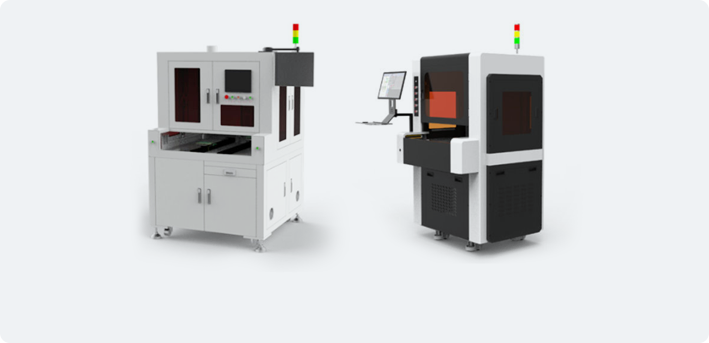
Title: Maximizing Semiconductor Material Recycling with Dross Recovery Machines
Introduction:
In the fast-paced world of electronic components, the efficient recycling of semiconductor materials plays a critical role in minimizing waste and optimizing resource utilization. With the advent of dross recovery machines, the recycling process has been revolutionized, offering significant benefits to the industry. This article delves into the capabilities and advantages of dross recovery machines in the context of semiconductor material recycling, shedding light on their role as game-changers in the electronic components industry.
Dross Recovery Machines: An Overview
Dross recovery machines have emerged as powerful tools in the recycling process of semiconductor materials. These machines are designed to extract valuable metals from dross, a byproduct of various manufacturing processes involving semiconductors. By efficiently separating the metals from the dross, these machines enable the recycling of materials that were previously considered waste, ensuring a sustainable approach to resource management.
Enhanced Efficiency and Resource Optimization
The incorporation of dross recovery machines in semiconductor material recycling brings forth a multitude of benefits. Firstly, these machines enhance the overall efficiency of the recycling process by automating the separation of valuable metals from dross. This automation reduces manual labor and accelerates the extraction of metals, resulting in higher productivity and lower operational costs.
Moreover, dross recovery machines contribute to resource optimization by enabling the recovery of metals such as aluminum, copper, and zinc from dross. These metals, which are commonly found in semiconductor manufacturing waste, can be reintroduced into the production cycle, reducing the need for extracting and processing virgin materials. This sustainable approach not only conserves valuable resources but also minimizes the environmental impact associated with traditional mining and material extraction.
Quality Assurance and Cost Savings
Dross recovery machines offer a reliable means of ensuring the quality and purity of the recycled semiconductor materials. By efficiently separating the metals from the dross, these machines eliminate impurities and contaminants, resulting in materials that meet industry standards and specifications. This quality assurance is essential in the production of high-performance electronic components, where the reliability and functionality of the materials are paramount.
Furthermore, the integration of dross recovery machines into the recycling process brings significant cost savings. By extracting valuable metals from dross, companies can generate additional revenue streams from the sale of these recovered materials. Additionally, the reduced reliance on virgin materials translates into cost savings in the procurement process, further enhancing the financial viability of semiconductor material recycling.
Conclusion
As the electronic components industry continues to prioritize sustainability and resource optimization, the dross recovery machine stands as a game-changer in the recycling process of semiconductor materials. Its ability to efficiently extract valuable metals from dross not only enhances operational efficiency but also contributes to a more sustainable and environmentally friendly approach to resource management. By embracing dross recovery machines, companies can unlock new opportunities for cost savings, quality assurance, and a reduced environmental footprint, making significant strides towards a greener future.
Introduction:
In the fast-paced world of electronic components, the efficient recycling of semiconductor materials plays a critical role in minimizing waste and optimizing resource utilization. With the advent of dross recovery machines, the recycling process has been revolutionized, offering significant benefits to the industry. This article delves into the capabilities and advantages of dross recovery machines in the context of semiconductor material recycling, shedding light on their role as game-changers in the electronic components industry.
Dross Recovery Machines: An Overview
Dross recovery machines have emerged as powerful tools in the recycling process of semiconductor materials. These machines are designed to extract valuable metals from dross, a byproduct of various manufacturing processes involving semiconductors. By efficiently separating the metals from the dross, these machines enable the recycling of materials that were previously considered waste, ensuring a sustainable approach to resource management.
Enhanced Efficiency and Resource Optimization
The incorporation of dross recovery machines in semiconductor material recycling brings forth a multitude of benefits. Firstly, these machines enhance the overall efficiency of the recycling process by automating the separation of valuable metals from dross. This automation reduces manual labor and accelerates the extraction of metals, resulting in higher productivity and lower operational costs.
Moreover, dross recovery machines contribute to resource optimization by enabling the recovery of metals such as aluminum, copper, and zinc from dross. These metals, which are commonly found in semiconductor manufacturing waste, can be reintroduced into the production cycle, reducing the need for extracting and processing virgin materials. This sustainable approach not only conserves valuable resources but also minimizes the environmental impact associated with traditional mining and material extraction.
Quality Assurance and Cost Savings
Dross recovery machines offer a reliable means of ensuring the quality and purity of the recycled semiconductor materials. By efficiently separating the metals from the dross, these machines eliminate impurities and contaminants, resulting in materials that meet industry standards and specifications. This quality assurance is essential in the production of high-performance electronic components, where the reliability and functionality of the materials are paramount.
Furthermore, the integration of dross recovery machines into the recycling process brings significant cost savings. By extracting valuable metals from dross, companies can generate additional revenue streams from the sale of these recovered materials. Additionally, the reduced reliance on virgin materials translates into cost savings in the procurement process, further enhancing the financial viability of semiconductor material recycling.
Conclusion
As the electronic components industry continues to prioritize sustainability and resource optimization, the dross recovery machine stands as a game-changer in the recycling process of semiconductor materials. Its ability to efficiently extract valuable metals from dross not only enhances operational efficiency but also contributes to a more sustainable and environmentally friendly approach to resource management. By embracing dross recovery machines, companies can unlock new opportunities for cost savings, quality assurance, and a reduced environmental footprint, making significant strides towards a greener future.
Dross recovery machine

undefined