
10
2023
-
07
Dross Recovery Machine: An Essential Component for Semiconductor Material Industry
Author:
Title: Maximizing Efficiency and Reducing Waste: The Significance of Dross Recovery Machines in Semiconductor Material Industry Introduction: In the fast-paced world of electronic component manufacturing, the efficient utilization of resources and waste management are paramount. One crucial aspect in this regard is the recovery of dross, a byproduct generated during the production of semiconductor
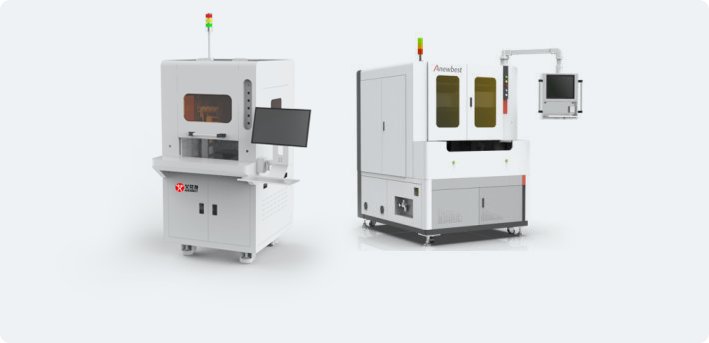
Title: Maximizing Efficiency and Reducing Waste: The Significance of Dross Recovery Machines in Semiconductor Material Industry
Introduction:
In the fast-paced world of electronic component manufacturing, the efficient utilization of resources and waste management are paramount. One crucial aspect in this regard is the recovery of dross, a byproduct generated during the production of semiconductor materials. Dross recovery machines have emerged as a vital tool in the semiconductor material industry, enabling manufacturers to optimize their production processes while minimizing waste. Let's delve deeper into the significance, benefits, and working mechanism of these machines.
1. The Role of Dross in Semiconductor Material Industry:
Semiconductor materials undergo various refining processes, which often result in the formation of dross. Dross primarily consists of non-metallic impurities such as oxides, fluxes, and other contaminants. If not properly managed, dross can hinder the quality and performance of the final semiconductor products. This is where dross recovery machines come into play.
2. Benefits of Dross Recovery Machines:
Dross recovery machines offer several advantages to semiconductor material manufacturers. Firstly, these machines allow for the efficient separation of valuable metals from the dross, preserving precious resources. Secondly, recovering metals from dross reduces the need for sourcing new raw materials, leading to cost savings. Additionally, the recovered metals can be reused in the production process, promoting sustainability and reducing environmental impact.
3. Working Mechanism of Dross Recovery Machines:
Dross recovery machines employ advanced technology to extract valuable metals from the dross. These machines typically utilize a combination of mechanical and thermal processes. The dross is first heated to separate the metal and non-metallic components. Subsequently, the metal is mechanically separated from the dross residue, ensuring high purity and minimizing material loss. The recovered metal can then be further processed or reused as required.
4. Enhanced Production Efficiency and Waste Management:
By incorporating dross recovery machines into their production lines, semiconductor material manufacturers can streamline their operations and improve efficiency. The extraction of valuable metals from dross ensures maximum utilization of resources, minimizing material wastage and associated costs. Moreover, the recovered metal can often be of higher purity than that obtained from alternative sources, enhancing the quality and reliability of the final semiconductor products.
Conclusion:
Dross recovery machines have revolutionized the semiconductor material industry by facilitating efficient resource utilization and waste management. These machines play a crucial role in separating valuable metals from dross, reducing the need for new raw materials and promoting sustainability. By optimizing production processes and minimizing waste, manufacturers can not only enhance their efficiency but also contribute to a greener and more environmentally conscious industry.
Introduction:
In the fast-paced world of electronic component manufacturing, the efficient utilization of resources and waste management are paramount. One crucial aspect in this regard is the recovery of dross, a byproduct generated during the production of semiconductor materials. Dross recovery machines have emerged as a vital tool in the semiconductor material industry, enabling manufacturers to optimize their production processes while minimizing waste. Let's delve deeper into the significance, benefits, and working mechanism of these machines.
1. The Role of Dross in Semiconductor Material Industry:
Semiconductor materials undergo various refining processes, which often result in the formation of dross. Dross primarily consists of non-metallic impurities such as oxides, fluxes, and other contaminants. If not properly managed, dross can hinder the quality and performance of the final semiconductor products. This is where dross recovery machines come into play.
2. Benefits of Dross Recovery Machines:
Dross recovery machines offer several advantages to semiconductor material manufacturers. Firstly, these machines allow for the efficient separation of valuable metals from the dross, preserving precious resources. Secondly, recovering metals from dross reduces the need for sourcing new raw materials, leading to cost savings. Additionally, the recovered metals can be reused in the production process, promoting sustainability and reducing environmental impact.
3. Working Mechanism of Dross Recovery Machines:
Dross recovery machines employ advanced technology to extract valuable metals from the dross. These machines typically utilize a combination of mechanical and thermal processes. The dross is first heated to separate the metal and non-metallic components. Subsequently, the metal is mechanically separated from the dross residue, ensuring high purity and minimizing material loss. The recovered metal can then be further processed or reused as required.
4. Enhanced Production Efficiency and Waste Management:
By incorporating dross recovery machines into their production lines, semiconductor material manufacturers can streamline their operations and improve efficiency. The extraction of valuable metals from dross ensures maximum utilization of resources, minimizing material wastage and associated costs. Moreover, the recovered metal can often be of higher purity than that obtained from alternative sources, enhancing the quality and reliability of the final semiconductor products.
Conclusion:
Dross recovery machines have revolutionized the semiconductor material industry by facilitating efficient resource utilization and waste management. These machines play a crucial role in separating valuable metals from dross, reducing the need for new raw materials and promoting sustainability. By optimizing production processes and minimizing waste, manufacturers can not only enhance their efficiency but also contribute to a greener and more environmentally conscious industry.
Dross recovery machine

undefined