
10
2023
-
07
Revolutionizing the Semiconductor Industry with Dross Recovery Machines
Author:
Table of Contents 1. Introduction: Revolutionizing the Semiconductor Industry with Dross Recovery Machines 2. Understanding Dross and Its Impact on Semiconductor Manufacturing 3. The Role of Dross Recovery Machines in Reducing Waste 4. Enhancing Efficiency in Semiconductor Manufacturing with Dross Recovery Machines 5. Sustainability Benefits of Dross Recovery Machines 6. Cost Savings and Economic
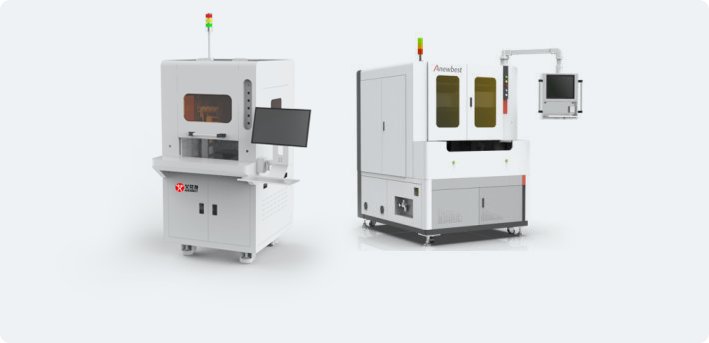
Table of Contents
1. Introduction: Revolutionizing the Semiconductor Industry with Dross Recovery Machines
2. Understanding Dross and Its Impact on Semiconductor Manufacturing
3. The Role of Dross Recovery Machines in Reducing Waste
4. Enhancing Efficiency in Semiconductor Manufacturing with Dross Recovery Machines
5. Sustainability Benefits of Dross Recovery Machines
6. Cost Savings and Economic Advantages
7. Overcoming Challenges and Implementing Dross Recovery Machines
8. Frequently Asked Questions (FAQs)
9. Conclusion
1. Introduction: Revolutionizing the Semiconductor Industry with Dross Recovery Machines
The semiconductor industry plays a vital role in today's technological advancements. However, it faces challenges in terms of waste generation and efficiency. Dross, a byproduct of the semiconductor manufacturing process, contributes to these challenges. In recent years, dross recovery machines have emerged as a game-changer, revolutionizing the way the industry deals with this waste material.
2. Understanding Dross and Its Impact on Semiconductor Manufacturing
Dross refers to the residual material that accumulates during the melting and casting of metals, such as aluminum, in the semiconductor manufacturing process. It consists of oxides, impurities, and other undesired elements. The presence of dross can lead to reduced product quality, increased production costs, and environmental concerns. To address these issues, dross recovery machines have been developed to efficiently separate and recover valuable materials from the dross.
3. The Role of Dross Recovery Machines in Reducing Waste
Dross recovery machines utilize advanced technologies to separate the valuable metallic content from the dross, thereby reducing waste generation. These machines employ various techniques like mechanical agitation, heat treatment, and chemical reactions to extract and isolate pure metals. By recovering these metals, manufacturers can significantly reduce the amount of dross sent to landfills, minimizing the environmental impact of their operations.
4. Enhancing Efficiency in Semiconductor Manufacturing with Dross Recovery Machines
Apart from waste reduction, dross recovery machines also contribute to improving efficiency in the semiconductor manufacturing process. By recovering valuable metals from the dross, manufacturers can reuse them in their production lines, eliminating the need for additional raw materials. This not only saves costs but also ensures a steady supply of essential metals, reducing reliance on external sources. The recovered metals can be reintegrated into the manufacturing process, enhancing overall productivity and reducing downtime.
5. Sustainability Benefits of Dross Recovery Machines
Dross recovery machines offer significant sustainability benefits to the semiconductor industry. By minimizing waste and maximizing resource utilization, these machines help conserve natural resources and reduce energy consumption associated with mining and refining processes. Additionally, the reduced reliance on virgin metals reduces the carbon footprint of semiconductor manufacturing. This sustainable approach aligns with the industry's growing focus on environmentally friendly practices.
6. Cost Savings and Economic Advantages
Implementing dross recovery machines can lead to substantial cost savings for semiconductor manufacturers. By recovering valuable metals from the dross, companies can reduce their reliance on expensive raw materials, thereby lowering production costs. Moreover, the reuse of recovered metals eliminates the need for purchasing additional supplies, contributing to long-term economic benefits. The cost savings achieved through dross recovery machines can be reinvested in research, development, and scaling up operations.
7. Overcoming Challenges and Implementing Dross Recovery Machines
While the benefits of dross recovery machines are evident, implementing them in semiconductor manufacturing facilities may pose certain challenges. Adapting existing processes, integrating the machines into production lines, and training personnel require careful planning and coordination. However, the long-term advantages outweigh the initial hurdles. With proper implementation strategies and support, semiconductor manufacturers can successfully incorporate dross recovery machines into their operations, maximizing efficiency and sustainability.
8. Frequently Asked Questions (FAQs)
Q1. How do dross recovery machines work?
Q2. What metals can be recovered from dross?
Q3. How much waste can be reduced through dross recovery machines?
Q4. Are dross recovery machines cost-effective?
Q5. What environmental benefits do dross recovery machines offer?
9. Conclusion
Dross recovery machines have revolutionized the semiconductor industry by addressing the challenges posed by dross waste. These machines not only reduce waste generation but also enhance efficiency, sustainability, and cost savings in semiconductor manufacturing. By implementing dross recovery machines, manufacturers can optimize their operations, contribute to a greener future, and stay ahead in the competitive semiconductor market. The continuous advancements in dross recovery technology pave the way for a more sustainable and resource-efficient semiconductor industry.
The semiconductor industry plays a vital role in today's technological advancements. However, it faces challenges in terms of waste generation and efficiency. Dross, a byproduct of the semiconductor manufacturing process, contributes to these challenges. In recent years, dross recovery machines have emerged as a game-changer, revolutionizing the way the industry deals with this waste material.
2. Understanding Dross and Its Impact on Semiconductor Manufacturing
Dross refers to the residual material that accumulates during the melting and casting of metals, such as aluminum, in the semiconductor manufacturing process. It consists of oxides, impurities, and other undesired elements. The presence of dross can lead to reduced product quality, increased production costs, and environmental concerns. To address these issues, dross recovery machines have been developed to efficiently separate and recover valuable materials from the dross.
3. The Role of Dross Recovery Machines in Reducing Waste
Dross recovery machines utilize advanced technologies to separate the valuable metallic content from the dross, thereby reducing waste generation. These machines employ various techniques like mechanical agitation, heat treatment, and chemical reactions to extract and isolate pure metals. By recovering these metals, manufacturers can significantly reduce the amount of dross sent to landfills, minimizing the environmental impact of their operations.
4. Enhancing Efficiency in Semiconductor Manufacturing with Dross Recovery Machines
Apart from waste reduction, dross recovery machines also contribute to improving efficiency in the semiconductor manufacturing process. By recovering valuable metals from the dross, manufacturers can reuse them in their production lines, eliminating the need for additional raw materials. This not only saves costs but also ensures a steady supply of essential metals, reducing reliance on external sources. The recovered metals can be reintegrated into the manufacturing process, enhancing overall productivity and reducing downtime.
5. Sustainability Benefits of Dross Recovery Machines
Dross recovery machines offer significant sustainability benefits to the semiconductor industry. By minimizing waste and maximizing resource utilization, these machines help conserve natural resources and reduce energy consumption associated with mining and refining processes. Additionally, the reduced reliance on virgin metals reduces the carbon footprint of semiconductor manufacturing. This sustainable approach aligns with the industry's growing focus on environmentally friendly practices.
6. Cost Savings and Economic Advantages
Implementing dross recovery machines can lead to substantial cost savings for semiconductor manufacturers. By recovering valuable metals from the dross, companies can reduce their reliance on expensive raw materials, thereby lowering production costs. Moreover, the reuse of recovered metals eliminates the need for purchasing additional supplies, contributing to long-term economic benefits. The cost savings achieved through dross recovery machines can be reinvested in research, development, and scaling up operations.
7. Overcoming Challenges and Implementing Dross Recovery Machines
While the benefits of dross recovery machines are evident, implementing them in semiconductor manufacturing facilities may pose certain challenges. Adapting existing processes, integrating the machines into production lines, and training personnel require careful planning and coordination. However, the long-term advantages outweigh the initial hurdles. With proper implementation strategies and support, semiconductor manufacturers can successfully incorporate dross recovery machines into their operations, maximizing efficiency and sustainability.
8. Frequently Asked Questions (FAQs)
Q1. How do dross recovery machines work?
Q2. What metals can be recovered from dross?
Q3. How much waste can be reduced through dross recovery machines?
Q4. Are dross recovery machines cost-effective?
Q5. What environmental benefits do dross recovery machines offer?
9. Conclusion
Dross recovery machines have revolutionized the semiconductor industry by addressing the challenges posed by dross waste. These machines not only reduce waste generation but also enhance efficiency, sustainability, and cost savings in semiconductor manufacturing. By implementing dross recovery machines, manufacturers can optimize their operations, contribute to a greener future, and stay ahead in the competitive semiconductor market. The continuous advancements in dross recovery technology pave the way for a more sustainable and resource-efficient semiconductor industry.
Dross recovery machines utilize advanced technologies to separate the valuable metallic content from the dross, thereby reducing waste generation. These machines employ various techniques like mechanical agitation, heat treatment, and chemical reactions to extract and isolate pure metals. By recovering these metals, manufacturers can significantly reduce the amount of dross sent to landfills, minimizing the environmental impact of their operations.
4. Enhancing Efficiency in Semiconductor Manufacturing with Dross Recovery Machines
Apart from waste reduction, dross recovery machines also contribute to improving efficiency in the semiconductor manufacturing process. By recovering valuable metals from the dross, manufacturers can reuse them in their production lines, eliminating the need for additional raw materials. This not only saves costs but also ensures a steady supply of essential metals, reducing reliance on external sources. The recovered metals can be reintegrated into the manufacturing process, enhancing overall productivity and reducing downtime.
5. Sustainability Benefits of Dross Recovery Machines
Dross recovery machines offer significant sustainability benefits to the semiconductor industry. By minimizing waste and maximizing resource utilization, these machines help conserve natural resources and reduce energy consumption associated with mining and refining processes. Additionally, the reduced reliance on virgin metals reduces the carbon footprint of semiconductor manufacturing. This sustainable approach aligns with the industry's growing focus on environmentally friendly practices.
6. Cost Savings and Economic Advantages
Implementing dross recovery machines can lead to substantial cost savings for semiconductor manufacturers. By recovering valuable metals from the dross, companies can reduce their reliance on expensive raw materials, thereby lowering production costs. Moreover, the reuse of recovered metals eliminates the need for purchasing additional supplies, contributing to long-term economic benefits. The cost savings achieved through dross recovery machines can be reinvested in research, development, and scaling up operations.
7. Overcoming Challenges and Implementing Dross Recovery Machines
While the benefits of dross recovery machines are evident, implementing them in semiconductor manufacturing facilities may pose certain challenges. Adapting existing processes, integrating the machines into production lines, and training personnel require careful planning and coordination. However, the long-term advantages outweigh the initial hurdles. With proper implementation strategies and support, semiconductor manufacturers can successfully incorporate dross recovery machines into their operations, maximizing efficiency and sustainability.
8. Frequently Asked Questions (FAQs)
Q1. How do dross recovery machines work?
Q2. What metals can be recovered from dross?
Q3. How much waste can be reduced through dross recovery machines?
Q4. Are dross recovery machines cost-effective?
Q5. What environmental benefits do dross recovery machines offer?
9. Conclusion
Dross recovery machines have revolutionized the semiconductor industry by addressing the challenges posed by dross waste. These machines not only reduce waste generation but also enhance efficiency, sustainability, and cost savings in semiconductor manufacturing. By implementing dross recovery machines, manufacturers can optimize their operations, contribute to a greener future, and stay ahead in the competitive semiconductor market. The continuous advancements in dross recovery technology pave the way for a more sustainable and resource-efficient semiconductor industry.
Dross recovery machines offer significant sustainability benefits to the semiconductor industry. By minimizing waste and maximizing resource utilization, these machines help conserve natural resources and reduce energy consumption associated with mining and refining processes. Additionally, the reduced reliance on virgin metals reduces the carbon footprint of semiconductor manufacturing. This sustainable approach aligns with the industry's growing focus on environmentally friendly practices.
6. Cost Savings and Economic Advantages
Implementing dross recovery machines can lead to substantial cost savings for semiconductor manufacturers. By recovering valuable metals from the dross, companies can reduce their reliance on expensive raw materials, thereby lowering production costs. Moreover, the reuse of recovered metals eliminates the need for purchasing additional supplies, contributing to long-term economic benefits. The cost savings achieved through dross recovery machines can be reinvested in research, development, and scaling up operations.
7. Overcoming Challenges and Implementing Dross Recovery Machines
While the benefits of dross recovery machines are evident, implementing them in semiconductor manufacturing facilities may pose certain challenges. Adapting existing processes, integrating the machines into production lines, and training personnel require careful planning and coordination. However, the long-term advantages outweigh the initial hurdles. With proper implementation strategies and support, semiconductor manufacturers can successfully incorporate dross recovery machines into their operations, maximizing efficiency and sustainability.
8. Frequently Asked Questions (FAQs)
Q1. How do dross recovery machines work?
Q2. What metals can be recovered from dross?
Q3. How much waste can be reduced through dross recovery machines?
Q4. Are dross recovery machines cost-effective?
Q5. What environmental benefits do dross recovery machines offer?
9. Conclusion
Dross recovery machines have revolutionized the semiconductor industry by addressing the challenges posed by dross waste. These machines not only reduce waste generation but also enhance efficiency, sustainability, and cost savings in semiconductor manufacturing. By implementing dross recovery machines, manufacturers can optimize their operations, contribute to a greener future, and stay ahead in the competitive semiconductor market. The continuous advancements in dross recovery technology pave the way for a more sustainable and resource-efficient semiconductor industry.
While the benefits of dross recovery machines are evident, implementing them in semiconductor manufacturing facilities may pose certain challenges. Adapting existing processes, integrating the machines into production lines, and training personnel require careful planning and coordination. However, the long-term advantages outweigh the initial hurdles. With proper implementation strategies and support, semiconductor manufacturers can successfully incorporate dross recovery machines into their operations, maximizing efficiency and sustainability.
8. Frequently Asked Questions (FAQs)
Q1. How do dross recovery machines work?
Q2. What metals can be recovered from dross?
Q3. How much waste can be reduced through dross recovery machines?
Q4. Are dross recovery machines cost-effective?
Q5. What environmental benefits do dross recovery machines offer?
9. Conclusion
Dross recovery machines have revolutionized the semiconductor industry by addressing the challenges posed by dross waste. These machines not only reduce waste generation but also enhance efficiency, sustainability, and cost savings in semiconductor manufacturing. By implementing dross recovery machines, manufacturers can optimize their operations, contribute to a greener future, and stay ahead in the competitive semiconductor market. The continuous advancements in dross recovery technology pave the way for a more sustainable and resource-efficient semiconductor industry.
Dross recovery machines have revolutionized the semiconductor industry by addressing the challenges posed by dross waste. These machines not only reduce waste generation but also enhance efficiency, sustainability, and cost savings in semiconductor manufacturing. By implementing dross recovery machines, manufacturers can optimize their operations, contribute to a greener future, and stay ahead in the competitive semiconductor market. The continuous advancements in dross recovery technology pave the way for a more sustainable and resource-efficient semiconductor industry.
Dross recovery machine

undefined