
16
2023
-
08
The Future of Soldering Technology: Laser Solder Ball Soldering Machines
Author:
## Table of Contents - Introduction: The Evolution of Soldering Technology - What is Laser Solder Ball Soldering? - Benefits of Laser Solder Ball Soldering Machines - Applications of Laser Solder Ball Soldering - The Future of Laser Solder Ball Soldering Technology - Frequently Asked Questions (FAQs) 1. How does laser solder ball soldering work? 2. Is laser solder ball soldering suitable for
## Table of Contents
- Introduction: The Evolution of Soldering Technology
- What is Laser Solder Ball Soldering?
- Benefits of Laser Solder Ball Soldering Machines
- Applications of Laser Solder Ball Soldering
- The Future of Laser Solder Ball Soldering Technology
- Frequently Asked Questions (FAQs)
1. How does laser solder ball soldering work?
2. Is laser solder ball soldering suitable for delicate electronic components?
3. Can laser solder ball soldering enhance production efficiency?
4. Are laser solder ball soldering machines cost-effective?
5. What industries can benefit from laser solder ball soldering?
- Conclusion
## Introduction: The Evolution of Soldering Technology
Over the years, soldering technology has undergone significant advancements, revolutionizing the manufacturing industry. From traditional methods to automated systems, soldering techniques have constantly evolved to meet the growing demands for precision and efficiency.
One such groundbreaking innovation is laser solder ball soldering, which combines the power of lasers with precise solder ball placement. This cutting-edge technology offers numerous advantages over conventional soldering methods, paving the way for unprecedented possibilities.
## What is Laser Solder Ball Soldering?
Laser solder ball soldering is a technique that utilizes laser energy to melt and place solder balls onto electronic components. Unlike traditional soldering methods that rely on manual or automated soldering irons, laser solder ball soldering machines leverage the precision and speed of lasers to achieve superior results.
These machines are equipped with advanced optics and control systems that enable precise solder ball placement, ensuring optimal connections between components. Laser solder ball soldering offers a high degree of accuracy, repeatability, and consistency, making it an ideal choice for various applications.
## Benefits of Laser Solder Ball Soldering Machines
1. **Enhanced Precision**: Laser solder ball soldering machines provide unparalleled precision, enabling the placement of solder balls with micro-level accuracy. This precision ensures reliable connections and minimizes the risk of solder bridging or misalignment.
2. **Increased Efficiency**: By combining laser technology with automated systems, solder ball placement can be completed swiftly and efficiently. This significantly reduces manufacturing cycle times and improves overall production efficiency.
3. **Minimal Heat Impact**: Laser solder ball soldering minimizes heat transfer to surrounding components, reducing the risk of thermal damage. This makes it suitable for soldering delicate electronic components, such as those found in microelectronics and medical devices.
4. **Wide Compatibility**: Laser solder ball soldering machines can accommodate various solder ball sizes and materials, making them suitable for a wide range of applications. This versatility enables manufacturers to adapt to different project requirements seamlessly.
5. **Environmentally Friendly**: Unlike traditional soldering methods that may involve the use of flux and potentially harmful chemicals, laser solder ball soldering eliminates the need for additional materials. This makes it a more environmentally friendly soldering alternative.
## Applications of Laser Solder Ball Soldering
Laser solder ball soldering technology has found applications in numerous industries, including:
1. **Electronics Manufacturing**: Laser solder ball soldering machines are extensively used in the production of electronic components, such as printed circuit boards (PCBs), microprocessors, and integrated circuits. The precise solder ball placement ensures reliable electrical connections and improves overall product quality.
2. **Automotive Industry**: The automotive industry relies on laser solder ball soldering for various applications, including soldering sensors, connectors, and control units. The high precision and reliability of laser soldering technology contribute to the safety and performance of automotive systems.
3. **Medical Device Manufacturing**: Laser solder ball soldering is crucial in the production of medical devices, where tiny components and complex circuitry require precise soldering. From pacemakers to diagnostic equipment, laser soldering ensures the integrity and functionality of critical medical devices.
4. **Aerospace and Defense**: The aerospace and defense sectors demand soldering techniques that can withstand extreme conditions and ensure long-term reliability. Laser solder ball soldering provides the required precision and durability for soldering applications in these industries.
## The Future of Laser Solder Ball Soldering Technology
The future of soldering technology lies in the continuous advancement of laser solder ball soldering machines. Here are some potential developments that could shape the future of this innovative technology:
1. **Increased Automation**: As industries move towards greater automation, laser solder ball soldering machines are expected to become even more sophisticated. Future advancements may include enhanced robotic integration, allowing for seamless integration into fully automated manufacturing processes.
2. **Improved Speed and Efficiency**: Engineers and researchers are continuously working on optimizing laser soldering techniques to further enhance production speed and efficiency. This may involve advancements in laser technology, control systems, and process optimization.
3. **Expanded Application Scope**: Laser solder ball soldering technology is likely to find applications in new industries and sectors. As the demand for miniaturization and increased functionality grows, laser soldering can provide the necessary precision and reliability for emerging technologies, such as Internet of Things (IoT) devices and wearable electronics.
4. **Integration with Artificial Intelligence (AI)**: The integration of laser solder ball soldering machines with AI technologies could revolutionize the production process. AI algorithms can optimize solder ball placement, detect defects, and predict potential issues, improving overall product quality and reducing manufacturing errors.
## FAQs
1. **How does laser solder ball soldering work?**
Laser solder ball soldering involves using laser energy to melt solder balls, which are then precisely placed onto electronic components to create reliable electrical connections.
2. **Is laser solder ball soldering suitable for delicate electronic components?**
Yes, laser solder ball soldering is suitable for delicate electronic components as it minimizes heat transfer and reduces the risk of thermal damage.
3. **Can laser solder ball soldering enhance production efficiency?**
Absolutely, laser solder ball soldering machines offer increased efficiency due to their precise solder ball placement and faster cycle times.
4. **Are laser solder ball soldering machines cost-effective?**
While laser solder ball soldering machines may require higher upfront investment, their long-term benefits, such as reduced defects and improved product quality, make them cost-effective solutions.
5. **What industries can benefit from laser solder ball soldering?**
Industries such as electronics manufacturing, automotive, medical device manufacturing, and aerospace and defense can greatly benefit from laser solder ball soldering technology.
## Conclusion
Laser solder ball soldering machines are at the forefront of soldering technology, offering unparalleled precision, efficiency, and versatility. With their ability to accommodate various applications and industries, laser solder ball soldering machines are shaping the future of soldering technology. As advancements continue and new possibilities unfold, the impact of laser soldering is set to revolutionize manufacturing processes across the globe.
- Introduction: The Evolution of Soldering Technology
- What is Laser Solder Ball Soldering?
- Benefits of Laser Solder Ball Soldering Machines
- Applications of Laser Solder Ball Soldering
- The Future of Laser Solder Ball Soldering Technology
- Frequently Asked Questions (FAQs)
1. How does laser solder ball soldering work?
2. Is laser solder ball soldering suitable for delicate electronic components?
3. Can laser solder ball soldering enhance production efficiency?
4. Are laser solder ball soldering machines cost-effective?
5. What industries can benefit from laser solder ball soldering?
- Conclusion
## Introduction: The Evolution of Soldering Technology
Over the years, soldering technology has undergone significant advancements, revolutionizing the manufacturing industry. From traditional methods to automated systems, soldering techniques have constantly evolved to meet the growing demands for precision and efficiency.
One such groundbreaking innovation is laser solder ball soldering, which combines the power of lasers with precise solder ball placement. This cutting-edge technology offers numerous advantages over conventional soldering methods, paving the way for unprecedented possibilities.
## What is Laser Solder Ball Soldering?
Laser solder ball soldering is a technique that utilizes laser energy to melt and place solder balls onto electronic components. Unlike traditional soldering methods that rely on manual or automated soldering irons, laser solder ball soldering machines leverage the precision and speed of lasers to achieve superior results.
These machines are equipped with advanced optics and control systems that enable precise solder ball placement, ensuring optimal connections between components. Laser solder ball soldering offers a high degree of accuracy, repeatability, and consistency, making it an ideal choice for various applications.
## Benefits of Laser Solder Ball Soldering Machines
1. **Enhanced Precision**: Laser solder ball soldering machines provide unparalleled precision, enabling the placement of solder balls with micro-level accuracy. This precision ensures reliable connections and minimizes the risk of solder bridging or misalignment.
2. **Increased Efficiency**: By combining laser technology with automated systems, solder ball placement can be completed swiftly and efficiently. This significantly reduces manufacturing cycle times and improves overall production efficiency.
3. **Minimal Heat Impact**: Laser solder ball soldering minimizes heat transfer to surrounding components, reducing the risk of thermal damage. This makes it suitable for soldering delicate electronic components, such as those found in microelectronics and medical devices.
4. **Wide Compatibility**: Laser solder ball soldering machines can accommodate various solder ball sizes and materials, making them suitable for a wide range of applications. This versatility enables manufacturers to adapt to different project requirements seamlessly.
5. **Environmentally Friendly**: Unlike traditional soldering methods that may involve the use of flux and potentially harmful chemicals, laser solder ball soldering eliminates the need for additional materials. This makes it a more environmentally friendly soldering alternative.
## Applications of Laser Solder Ball Soldering
Laser solder ball soldering technology has found applications in numerous industries, including:
1. **Electronics Manufacturing**: Laser solder ball soldering machines are extensively used in the production of electronic components, such as printed circuit boards (PCBs), microprocessors, and integrated circuits. The precise solder ball placement ensures reliable electrical connections and improves overall product quality.
2. **Automotive Industry**: The automotive industry relies on laser solder ball soldering for various applications, including soldering sensors, connectors, and control units. The high precision and reliability of laser soldering technology contribute to the safety and performance of automotive systems.
3. **Medical Device Manufacturing**: Laser solder ball soldering is crucial in the production of medical devices, where tiny components and complex circuitry require precise soldering. From pacemakers to diagnostic equipment, laser soldering ensures the integrity and functionality of critical medical devices.
4. **Aerospace and Defense**: The aerospace and defense sectors demand soldering techniques that can withstand extreme conditions and ensure long-term reliability. Laser solder ball soldering provides the required precision and durability for soldering applications in these industries.
## The Future of Laser Solder Ball Soldering Technology
The future of soldering technology lies in the continuous advancement of laser solder ball soldering machines. Here are some potential developments that could shape the future of this innovative technology:
1. **Increased Automation**: As industries move towards greater automation, laser solder ball soldering machines are expected to become even more sophisticated. Future advancements may include enhanced robotic integration, allowing for seamless integration into fully automated manufacturing processes.
2. **Improved Speed and Efficiency**: Engineers and researchers are continuously working on optimizing laser soldering techniques to further enhance production speed and efficiency. This may involve advancements in laser technology, control systems, and process optimization.
3. **Expanded Application Scope**: Laser solder ball soldering technology is likely to find applications in new industries and sectors. As the demand for miniaturization and increased functionality grows, laser soldering can provide the necessary precision and reliability for emerging technologies, such as Internet of Things (IoT) devices and wearable electronics.
4. **Integration with Artificial Intelligence (AI)**: The integration of laser solder ball soldering machines with AI technologies could revolutionize the production process. AI algorithms can optimize solder ball placement, detect defects, and predict potential issues, improving overall product quality and reducing manufacturing errors.
## FAQs
1. **How does laser solder ball soldering work?**
Laser solder ball soldering involves using laser energy to melt solder balls, which are then precisely placed onto electronic components to create reliable electrical connections.
2. **Is laser solder ball soldering suitable for delicate electronic components?**
Yes, laser solder ball soldering is suitable for delicate electronic components as it minimizes heat transfer and reduces the risk of thermal damage.
3. **Can laser solder ball soldering enhance production efficiency?**
Absolutely, laser solder ball soldering machines offer increased efficiency due to their precise solder ball placement and faster cycle times.
4. **Are laser solder ball soldering machines cost-effective?**
While laser solder ball soldering machines may require higher upfront investment, their long-term benefits, such as reduced defects and improved product quality, make them cost-effective solutions.
5. **What industries can benefit from laser solder ball soldering?**
Industries such as electronics manufacturing, automotive, medical device manufacturing, and aerospace and defense can greatly benefit from laser solder ball soldering technology.
## Conclusion
Laser solder ball soldering machines are at the forefront of soldering technology, offering unparalleled precision, efficiency, and versatility. With their ability to accommodate various applications and industries, laser solder ball soldering machines are shaping the future of soldering technology. As advancements continue and new possibilities unfold, the impact of laser soldering is set to revolutionize manufacturing processes across the globe.
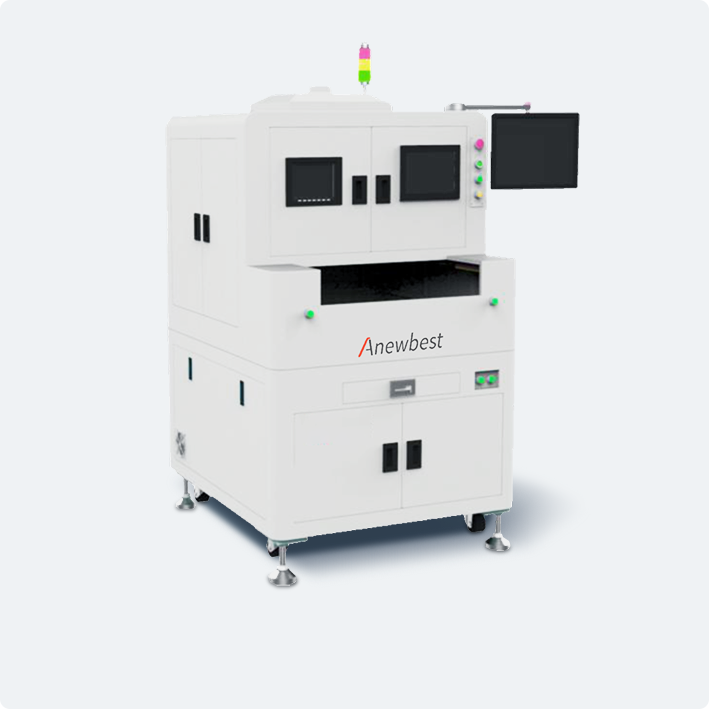
Laser solder ball soldering machine
Previous page
Previous page

undefined